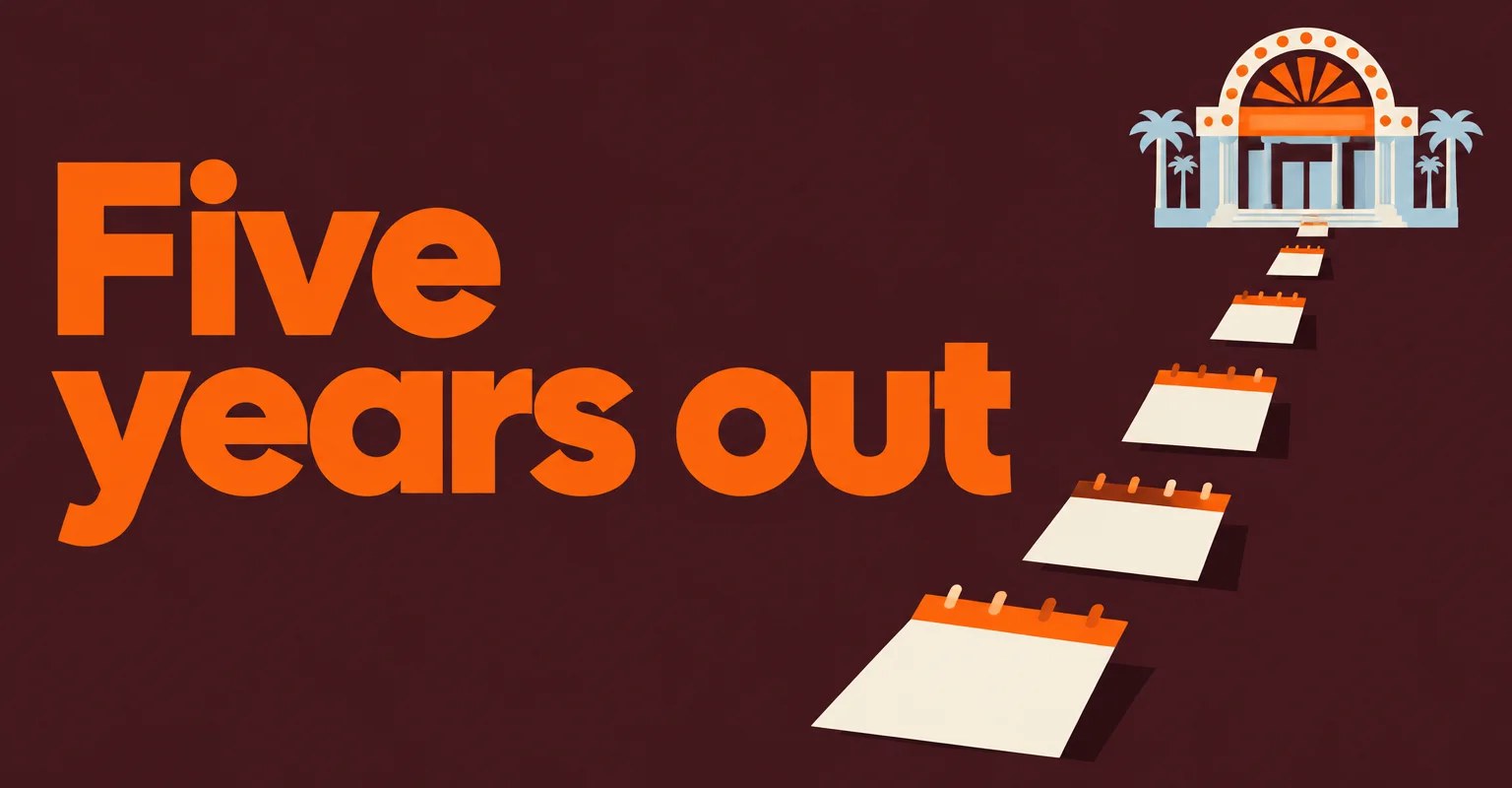
Assemblymember Carrie Woerner told a panel at The Racing and Gaming Conference in Saratoga that New York online casinos are “perpetually five years out.”
As reported in June, lawmakers had already left the latest online-casino bill in committee at the end of the 2026 session. Woerner’s committee would be central to any future legalization push, and the latest comments suggest the bill remains far from the finish line.
Woerner pointed to the economy as one obstacle. “We’re seeing a stagnation of disposable income in the economy generally,” she said. “So, if disposable income is stagnant, the more money you’re spending on gambling, that’s less money you’re spending on going out to dinner, on going to movies, or shopping on our Main Street.”
The political climate around gambling has also grown more cautious. PlayUSA reported that fatigue over sports-betting advertising, along with reports of underage access, has fed wider responsible-gambling concerns. The outlet also said online casinos have not won the same level of public support that sports betting did after the 2018 Supreme Court decision.
Speaker Carl Heastie and Woerner said the Assembly had passed a package of bills aimed at problem gambling, including A.382, which would impose advertising restrictions on mobile sports betting similar to those already applied to licensed casinos and would require the hotline number to appear for the full length of a video ad.
State rules already contain detailed limits on gambling promotion. The Gaming Commission says its advertising guidance is issued under Racing, Pari-Mutuel Wagering and Breeding Law § 111(1)(c), while § 1363 defines “advertisement” to include electronic dissemination, bars ads from depicting people under 21 engaging in gaming, and requires a problem-gambling assistance message in forms that vary by ad type, including video and websites.
The broader industry picture remains more optimistic than New York’s. At Saratoga, more than 200 attendees were polled on how many states would offer online-casino gaming within five years, and the most common answer was between 10 and 20 states. Seven states currently have licensed casino apps, or eight if Nevada is counted for online poker.
Gambling Insider, as cited by PlayUSA, pointed to New Jersey and Pennsylvania, where online-casino revenue has outpaced mobile sportsbooks. Virginia, Maryland, Indiana and the District of Columbia were named as nearer-term candidates for expansion.